Beginner Poses
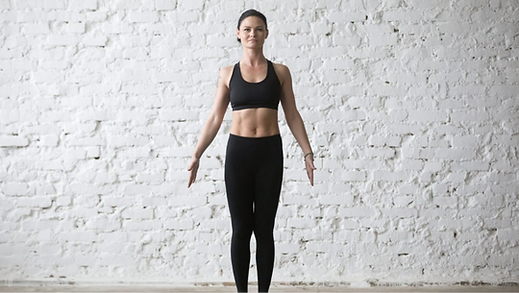
1. Tadasana (Mountain Pose)
Tada (ताड़ा) - Mountain
Asana (आसन) - Pose
Steps:
-
Stand tall with your feet together or slightly apart.
-
Spread your weight evenly across both feet, grounding through all corners of your feet.
-
Engage your thighs and gently lift your kneecaps.
-
Lengthen your spine, lift your chest, and roll your shoulders back and down.
-
Let your arms hang naturally by your sides, palms facing in or forward.
-
Breathe deeply, keeping your gaze straight ahead.
Tips:
-
Focus on feeling rooted through your feet while stretching upward through your spine.
-
Engage your core lightly to support your back.
-
Use this pose to find stability and alignment before moving into other standing poses.
Benefits
-
Improves posture and spinal alignment
-
Strengthens legs, core, and ankles
-
Enhances focus and balance
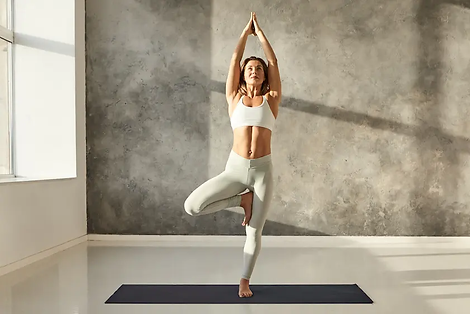
2. Vrikshasana (Tree Pose)
Vriksha (वृक्ष) - Tree
Asana (आसन) - Pose
Steps:
-
Begin in Tadasana, shift your weight onto your left foot.
-
Place your right foot on your inner left thigh or calf (avoid the knee).
-
Press your foot firmly while keeping hips square.
-
Bring your hands together in prayer at your chest or extend them overhead.
-
Focus on a fixed point in front of you and hold for 20–30 seconds.
-
Switch sides.
Tips:
-
Engage your core to maintain balance.
-
Keep your standing leg strong and slightly bent, not locked.
-
If you wobble, lightly touch a wall or chair for support.
-
Breathe slowly and evenly to improve concentration and steadiness.
Benefits
-
Improves balance and stability
-
Strengthens legs, ankles, and core
-
Calms the mind and improves concentration
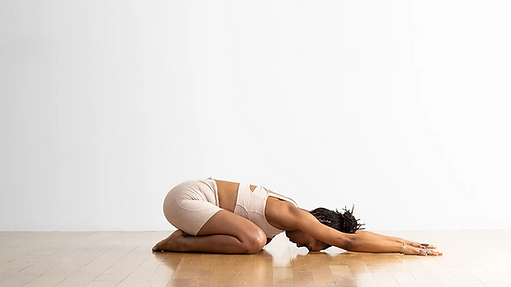
3. Balasana (Child’s Pose)
Bala (बाल) - Child
Asana (आसन) - Pose
Steps:
-
Kneel on the floor with knees together or slightly apart.
-
Sit back onto your heels and fold forward, resting your torso on your thighs.
-
Extend your arms forward with palms down, or alongside your body with palms up.
-
Rest your forehead on the mat.
-
Close your eyes and breathe deeply, relaxing your shoulders and back.
Tips:
-
Use a folded blanket or pillow under your forehead if it doesn’t reach the floor.
-
Spread knees wider if your stomach feels compressed.
-
Exhale fully to release tension in your back, neck, and hips.
Benefits
-
Stretches the back, hips, and thighs
-
Relieves tension and stress
-
Encourages deep relaxation and calmness
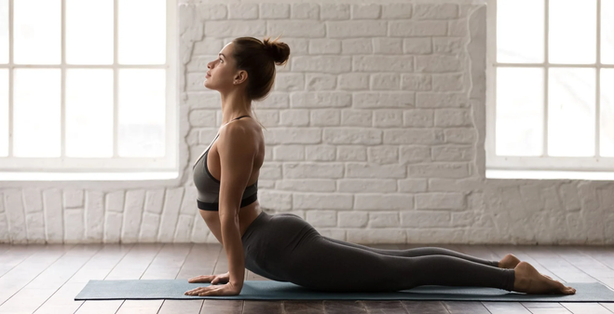
4. Bhujangasana (Cobra Pose)
Bhujanga (भुजंग) - Serpent or snake
Asana (आसन) - Pose
Steps:
-
Lie on your stomach with legs extended and tops of feet pressing into the mat.
-
Place palms under your shoulders, elbows close to your body.
-
Inhale, gently lift your chest off the floor, keeping your lower ribs on the mat.
-
Keep shoulders away from your ears, chest open, and gaze forward.
-
Hold for 15–30 seconds, then exhale and slowly lower down.
Tips:
-
Avoid using your arms to push too hard; lift with your back muscles.
-
Keep elbows slightly bent to prevent hyperextension.
-
Press tops of feet and thighs into the floor to stabilize the lower body.
Benefits
-
Strengthens the spine and back muscles
-
Opens the chest and shoulders
-
Stimulates digestion and improves flexibility of the spine
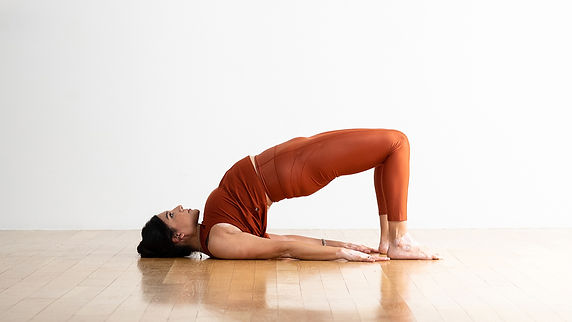
5. Setu Bandhasana (Bridge Pose)
Setu (सेतु) - Bridge
Bandha (बन्ध) - Lock, Bind or Tie
Asana (आसन) - Pose
Steps:
-
Lie on your back with knees bent, feet hip-width apart, and arms by your sides.
-
Inhale, press your feet and arms into the floor, and lift your hips toward the ceiling.
-
Keep knees over ankles, thighs engaged, and chest lifted.
-
Optionally clasp hands under your back for extra support.
-
Hold for 20–30 seconds, then exhale and slowly lower down.
Tips:
-
Avoid squeezing your knees together; keep them aligned with your hips.
-
Press evenly through both feet to avoid strain on the lower back.
-
Engage your glutes and core for stability.
-
Use a block under your sacrum if holding the pose for a restorative practice.
Benefits
-
Strengthens glutes, lower back, and legs
-
Opens the chest and improves lung capacity
-
Relieves tension in the spine and promotes relaxation
Intermediate Poses
6. Virabhadrasana II (Warrior II Pose)
Vira (वीर) - Warrior, hero
Bhadra (भद्र) - Auspicious, good, friend (referring to the fierce warrior persona)
Asana (आसन) - Pose
Steps:
-
Stand with feet wide apart (3–4 feet).
-
Turn your right foot out 90° and your left foot slightly inward.
-
Bend your right knee so it is directly above your ankle, forming a right angle.
-
Keep your back leg straight and press the outer edge of the back foot firmly into the mat.
-
Extend arms parallel to the floor, palms down.
-
Turn your gaze over your right hand.
-
Hold for 30–60 seconds, then straighten the front leg and switch sides.
Tips:
-
Keep shoulders relaxed, chest open, and core engaged.
-
Avoid letting the bent knee collapse inward.
-
Check that your hips face forward and are level with the floor.
Benefits
-
Strengthens legs, hips, and core
-
Improves stamina and endurance
-
Increases focus, balance, and body awareness
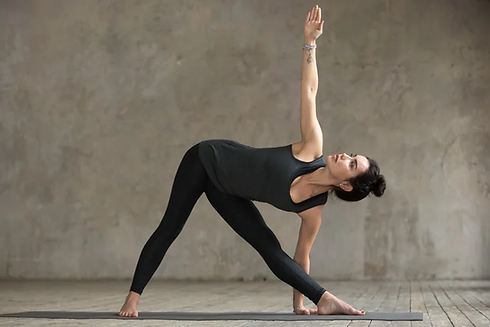
7. Trikonasana (Triangle Pose)
Tri (त्रि) - Three
Kona (कोण) - Angle or corner
Asana (आसन) - Pose
Steps:
-
Stand with feet wide apart, arms extended sideways.
-
Turn your right foot out 90° and your left foot slightly inward.
-
Inhale, reach forward with your right hand, then exhale and lower it to your shin, ankle, or floor.
-
Extend your left arm straight up toward the ceiling.
-
Keep both legs straight but don’t lock your knees.
-
Turn your head to look at the top hand, keeping your chest open.
-
Hold 20–30 seconds, then repeat on the other side.
Tips:
-
Don’t collapse over the front leg; lengthen both sides of the torso equally.
-
Engage your core to support your back.
-
Keep your back foot flat and strong for stability.
Benefits
-
Stretches legs, hips, spine, and shoulders
-
Improves balance and stability
-
Stimulates digestion and helps relieve back pain
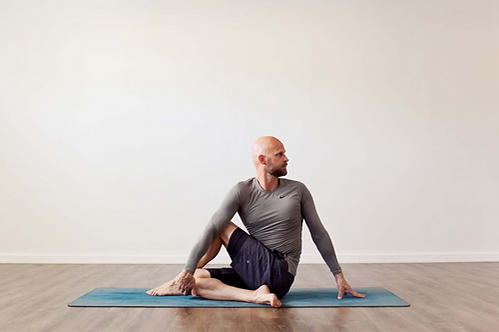
8. Ardha Matsyendrasana (Half Lord of the Fishes Pose)
Ardha (अर्ध) - Half
Matsya (मत्स्य) - Fish
Indra (इन्द्र) - Lord or King
Asana (आसन) - Pose
Steps:
-
Sit on the floor with legs extended straight.
-
Bend your right knee, placing your right foot on the outside of your left thigh.
-
Bend the left knee and bring the left foot near the right hip for stability.
-
Place your left elbow on the outside of the right knee and your right hand behind you on the floor.
-
Inhale, lengthen your spine; exhale, twist gently to the right.
-
Hold 20–30 seconds, then switch sides.
Tips:
-
Twist slowly from your torso, not just your shoulders.
-
Keep the spine long and chest lifted.
-
Sit on a folded blanket if your hips feel tight.
-
Avoid forcing the twist; go only as far as comfortable.
Benefits
-
Improves spinal flexibility and mobility
-
Stimulates digestion and detoxification
-
Strengthens core muscles and improves posture
Advanced Poses
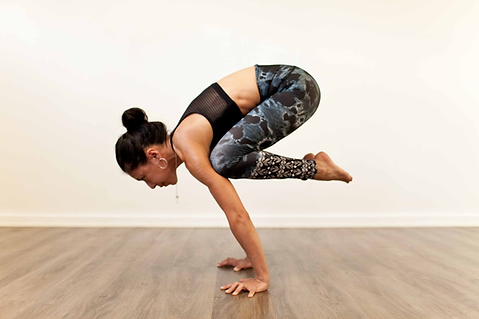
9. Bakasana (Crow Pose)
Baka (बक) - Crane
Asana (आसन) - Pose
Steps:
-
Squat down with feet hip-width apart, palms flat on the floor, fingers spread wide.
-
Bend elbows slightly and place knees on the backs of your upper arms.
-
Lean forward slowly, shifting weight onto your hands.
-
Lift one foot at a time off the floor before lifting both.
-
Keep gaze forward (not down) and balance.
-
Hold for 10–20 seconds, then slowly lower down.
Tips:
-
Engage your core to prevent tipping forward.
-
Keep elbows slightly bent to absorb weight; don’t lock them.
-
Press evenly through all parts of your palms.
-
Exhale slowly while coming down to maintain control.
Benefits
-
Strengthens arms, wrists, and shoulders
-
Builds core strength and balance
-
Improves focus and mental concentration
10. Salamba Sirsasana (Supported Headstand)
Sa (स) - With
Lamba (लम्ब) - Support/Supported
Sirsa (शीर्ष) - Head
Asana (आसन) - Pose
Steps:
-
Interlace your fingers and place forearms on the floor, forming a triangular base.
-
Place the crown of your head gently on the mat, cradled by your hands.
-
Walk your feet closer to your head and lift hips slowly.
-
Lift one leg at a time before straightening both legs upward.
-
Keep core and thighs engaged for stability.
-
Hold 15–60 seconds, then lower legs slowly with control.
Tips:
-
Practice near a wall until you are confident.
-
Press forearms firmly into the mat and lift shoulders slightly.
-
Avoid sudden movements while lifting or lowering legs.
-
Keep gaze forward to maintain balance and prevent tipping.
Benefits
-
Improves blood circulation to the brain
-
Strengthens shoulders, arms, and core
-
Enhances focus, balance, and mental clarity