5 Simple Ways to Reduce Bloating Naturally
- Feb 3
- 3 min read
Updated: Feb 6

Bloating is a common digestive concern that can make you feel uncomfortable, heavy, and sluggish. It is often caused by poor digestion, overeating, stress, or consuming foods that are difficult for the body to process. The good news is that bloating can usually be managed with simple, natural habits. Below are five effective and easy ways to reduce bloating naturally and support better digestive health.
Common Causes of Bloating
Bloating can often be traced back to daily habits and food choices. Eating too quickly, overeating, or consuming heavy, oily, or highly processed foods can slow digestion and cause gas buildup. Carbonated drinks, irregular meal timings, and stress can also interfere with the digestive process, making bloating more likely. Understanding these triggers can help prevent discomfort before it starts.
1. Drink Digestive Drinks
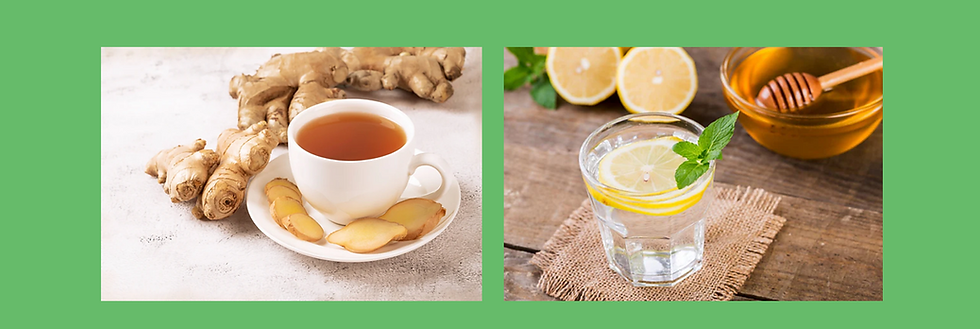
Drinking warm, natural digestive drinks can help soothe the stomach, reduce gas, and improve digestion. These drinks stimulate digestive enzymes and relax the digestive tract, making it easier for food to break down. Some effective drinks to help debloat include :
Buttermilk - supports gut health with probiotics and is especially helpful after heavy meals
Turmeric water - helps reduce inflammation in the gut and supports smooth digestion
Lemon and honey water - stimulates digestion and helps reduce gas buildup
Ajwain (carom seed) water - known for relieving gas, acidity, and indigestion
Ginger tea - relaxes intestinal muscles and helps ease bloating and nausea.
CCF tea (cumin, coriander, fennel) - a classic digestive blend that reduces bloating and supports overall gut balance.
Including one or two of these drinks daily can significantly improve digestive comfort.
2. Eat Foods That Are Easy to Digest
Choosing light, easy-to-digest foods is key when dealing with bloating. Heavy, oily, or highly processed foods can slow digestion and increase gas formation.
Some traditional Indian foods that are gentle on the stomach include:
Khichdi – light, comforting, and easy to digest
Rasam – thin and spiced, helps stimulate digestion
Poha – light and fluffy, making it easy on the gut
Yogurt (curd) – supports gut bacteria
Well-cooked vegetables – easier to digest than raw foods
Eating smaller portions and avoiding overeating can also help prevent bloating.
3. Do Light Movement After Meals
Light movement after eating helps food move smoothly through the digestive system and prevents gas buildup. A short walk after meals stimulates digestion and reduces the feeling of heaviness.
Even a gentle 10–15 minute walk or light stretching can make a noticeable difference. Avoid intense exercise immediately after eating, as it can disrupt digestion.
4. Chew Saunf or Fennel Seeds After Meals
Chewing saunf (fennel seeds) after meals is a simple yet effective digestive habit. Fennel seeds have natural carminative properties, which help reduce gas and bloating. They also stimulate digestive juices, helping food break down more efficiently.
This practice is commonly followed after meals in Indian households and is an easy habit to include daily.
5. Eat Mindfully
How you eat is just as important as what you eat. Eating too quickly or overeating can overwhelm the digestive system and lead to bloating.
To support better digestion:
Eat slowly and chew your food well
Avoid overeating
Maintain regular meal times
Avoid lying down immediately after eating
Mindful eating allows your body to digest food properly and reduces digestive discomfort over time.
Bloating can often be managed with small, consistent lifestyle changes. Simple habits like drinking digestive drinks, choosing easy-to-digest foods, staying lightly active, and eating mindfully can go a long way in improving gut health. These natural approaches not only help reduce bloating but also support long-term digestive wellness.

Comments